

Safeguarding
Safeguarding means protecting people’s health, wellbeing, and human rights so they can live, work, and participate safely and free from harm, abuse, neglect, exploitation, or discrimination.
At KAEFER, safeguarding is everyone’s responsibility. We are committed to creating a safe, respectful, and supportive environment for all.
If you feel like something is having a day-to-day impact on you at work or at home and is making you feel worried or uncomfortable, you can reach out to your immediate Line Manager. Otherwise, we also have three designated safeguarding leads within the business who you can contact:
Fiona Craig, Emerging Careers Lead – Fiona.Craig@kaefer.com
Natalya Ganatra, People & Rewards Lead – Natalya.Ganatra@kaefer.com
Lyndsey Culey, Recruitment Manager – Lyndsey.Culey@kaefer.com
Safeguarding is most often associated with children, young adults or vulnerable individuals; but it is equally relevant in the workplace, especially where young people are present in apprentice and trainee positions.
- Young people (including but not limited to apprentices & trainees)
- Adults who may need support due to:
- Age
- Disability
- Illness or mental health needs
- Learning difficulties
- Personal circumstances
- Social or financial pressures
Remember: Not all vulnerabilities are visible.
Safeguarding Is Everyone’s Responsibility – Every employee, supervisor, and manager has a role to play by:
- Treating others with dignity and respect
- Being alert to signs of concern or inappropriate behaviour
- Challenging unsafe or unacceptable practices
- Knowing how and where to report concerns
- Acting promptly if something does not feel right
Creating a safe workplace depends on a shared culture of accountability, openness, and care.
Types of Harm & Impact
Safeguarding covers a wide range of harm that individuals may experience. The five main types are:
- Physical abuse
- Emotional or psychological abuse
- Neglect
- Sexual abuse or exploitation
- Cyber or financial
- Abuse/bullying
Each type of harm can present in different ways. Common warning signs include:
- Distrust or wariness of adults
- Frequent or unexplained injuries
- Inconsistent explanations for injuries
- Expressions of suicidal thoughts
- Difficulty concentrating or staying focused
- Low self-esteem
- Aggressive or overly demanding behaviour
- Misuse of drugs or alcohol
- Self-harm or suicide attempts
While the presence of one or more of these signs does not confirm that someone is being harmed, it should raise concern and prompt further action. Failing to act on these signs could lead to a situation worsening.
Latest Internal News
 27.08.2026
Step by Step: How to Sign Up for #Venuslauf2026
Here's a step by step guide for signing up for Venuslauf 2026! Whether you run, walk, cycle, or any other sport, this is your opportunity to do your bit in the fight against childhood cancer.
 17.08.2026
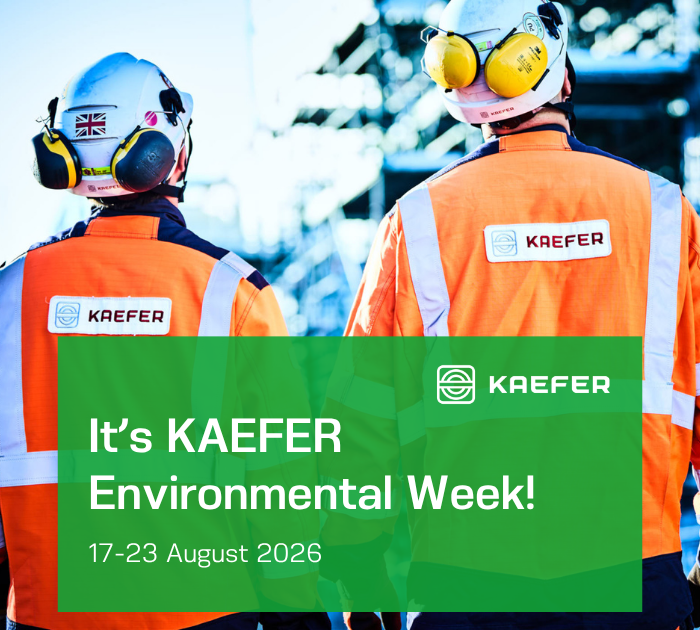
It’s KAEFER Environmental Week 2026 🌍♻️
Its KAEFER Environmental Week - join the webinar and take part in the quiz! There are prizes to be won...
 13.08.2026
Our Period Dignity Initiative Rolls Out Across the UK & Ireland
KAEFER UK & Ireland are proud to announce that the Period Dignity Initiative with Hey Girls, supplying period products in all toilets.